

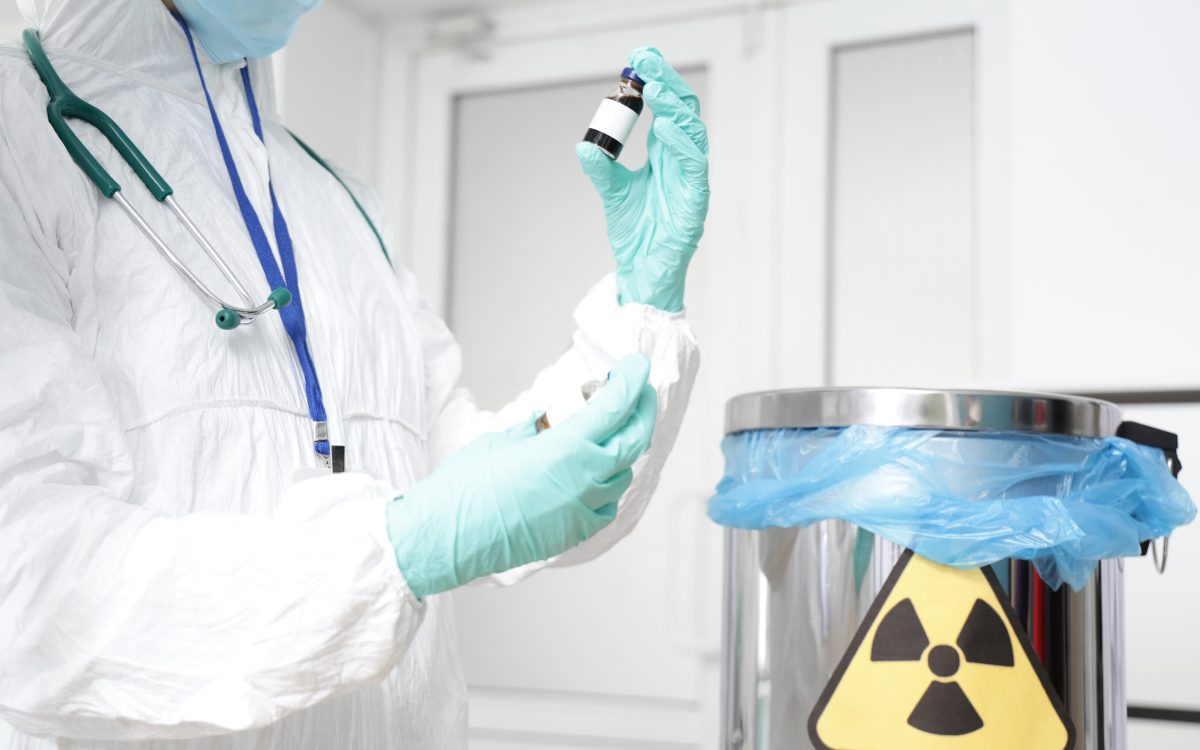
Hazardous waste disposal Cleveland is a critical service that ensures the safe handling, treatment, and disposal of materials that could harm human health or the environment. Whether you’re dealing with chemicals, medical waste, or household products, proper disposal of hazardous waste is essential to avoid serious environmental damage and health risks. In this guide, we’ll explore what hazardous waste is, why it needs to be disposed of properly, and how to find reliable hazardous waste disposal Detroit services.
What is Hazardous Waste?
Hazardous waste includes materials that are dangerous due to their chemical, biological, or physical properties. These substances can be toxic, corrosive, flammable, or reactive, posing significant risks if not managed properly. Hazardous waste can originate from a variety of sources, such as industrial operations, healthcare facilities, households, and even businesses that use dangerous chemicals.
Proper hazardous waste disposal Milwaukee is essential for maintaining the health of our ecosystems and preventing contamination of air, water, and soil. Whether it’s a routine household item like a can of paint or more complex materials like industrial chemicals, understanding how to manage hazardous waste safely is critical for everyone.
Types of Hazardous Waste
-
Chemical Waste: This category includes substances like solvents, acids, and alkalis, often used in industrial cleaning, manufacturing, and laboratory processes. These chemicals can be highly dangerous if not handled or disposed of properly.
-
Medical Waste: Generated in hospitals, clinics, and research labs, medical waste includes items like syringes, contaminated needles, and substances used in medical procedures. These materials require special disposal to prevent infections and contamination.
-
E-Waste: Electronic waste such as old computers, phones, batteries, and televisions contain hazardous materials like lead, mercury, and cadmium. Improper disposal of e-waste can lead to the leaching of these toxic substances into the environment.
-
Household Hazardous Waste: Many household items, including paints, pesticides, cleaners, and batteries, contain hazardous substances. These materials are often stored improperly and, if not disposed of safely, can contribute to environmental pollution.
-
Industrial Waste: Large-scale manufacturing and construction operations generate hazardous waste, such as oils, metals, paints, and solvents. Improper handling of industrial waste can have severe consequences for workers, local communities, and the environment.
Why Hazardous Waste Disposal is So Important
Improper disposal of hazardous waste can result in numerous environmental and health issues, including:
-
Soil Contamination: Hazardous waste materials can seep into the ground, affecting plant life and wildlife. This contamination can also make the soil toxic to humans and animals if they come into contact with it.
-
Water Pollution: If hazardous waste is not disposed of properly, it can enter groundwater systems or surface water, making it unsafe for drinking, fishing, or recreational activities. Contaminated water sources can lead to widespread environmental harm and pose serious health risks.
-
Air Pollution: Many hazardous waste materials can release toxic fumes when burned or improperly handled. These fumes can contribute to air pollution, causing respiratory issues and other health problems for nearby communities.
-
Health Hazards: Exposure to hazardous waste can lead to a range of health issues, including cancer, respiratory problems, neurological damage, and birth defects. Ensuring proper hazardous waste disposal Jacksonville minimizes the risk of harmful exposure to both people and wildlife.
For these reasons, it’s vital to work with professionals who specialize in hazardous waste disposal Mesa to ensure that these dangerous materials are safely and responsibly handled.
Steps Involved in Hazardous Waste Disposal
-
Identification of Hazardous Waste: The first step in managing hazardous waste is identifying whether the waste is indeed hazardous. This involves evaluating its chemical properties, toxicity, flammability, and reactivity. Many companies offer hazardous waste disposal services that help businesses and individuals identify hazardous materials.
-
Proper Packaging: Hazardous waste must be safely contained and labeled. Packaging materials should be durable enough to prevent leaks or spills and must be clearly marked to indicate the risks associated with the contents. Packaging also helps ensure that the waste is handled properly during transportation.
-
Transportation and Storage: Transporting hazardous waste requires specially trained personnel and vehicles designed to handle such materials. These vehicles must comply with all safety regulations to prevent accidents or spills. Often, hazardous waste disposal services provide secure storage options before the final disposal of materials.
-
Treatment of Hazardous Waste: Once the waste reaches a disposal facility, it is subjected to various treatment processes. These can include neutralization, incineration, or chemical treatment, depending on the nature of the material. Treatment helps reduce the harmful effects of hazardous substances, making them safer for disposal.
-
Final Disposal: The final step is the safe disposal of the treated waste. This may involve depositing it in a licensed landfill, incinerating it, or recycling certain materials. The goal is to dispose of the hazardous waste in a way that minimizes its impact on the environment and human health.
How to Find Reliable Hazardous Waste Disposal Services
If you’re in need of hazardous waste disposal services, it’s important to choose a provider who is experienced, licensed, and committed to environmentally safe practices. Here’s how to find a reliable hazardous waste disposal service:
-
Search for Licensed Providers: Make sure the hazardous waste disposal company you choose is licensed to handle hazardous materials. This ensures they follow all local, state, and federal regulations for proper disposal.
-
Look for Reviews and Recommendations: Check online reviews or ask for referrals from businesses, hospitals, or local agencies that have used hazardous waste disposal services. Positive reviews can indicate that the provider is trusted and reliable.
-
Verify Safety Practices: Ensure the company uses appropriate safety protocols for the transportation and disposal of hazardous waste. They should have a proven track record of adhering to environmental and safety regulations.
-
Ask About Specialization: Some hazardous waste disposal services specialize in specific types of waste, such as medical or e-waste. Make sure the company you choose can handle the specific materials you need to dispose of.
Benefits of Proper Hazardous Waste Disposal
Using professional hazardous waste disposal services offers several advantages:
-
Safety and Compliance: Professional disposal services follow the necessary regulations to ensure that hazardous waste is safely managed, minimizing the risk of harm to the environment and public health.
-
Cost-Effectiveness: While it may seem cheaper to dispose of hazardous waste on your own, improper disposal can lead to hefty fines and environmental damage. Hiring experts helps you avoid these risks and save money in the long run.
-
Environmental Protection: Proper hazardous waste disposal ensures that harmful substances are handled in a way that protects the environment for future generations.
-
Peace of Mind: By trusting experts with your hazardous waste disposal needs, you can rest assured that these materials are being safely and responsibly handled.
