

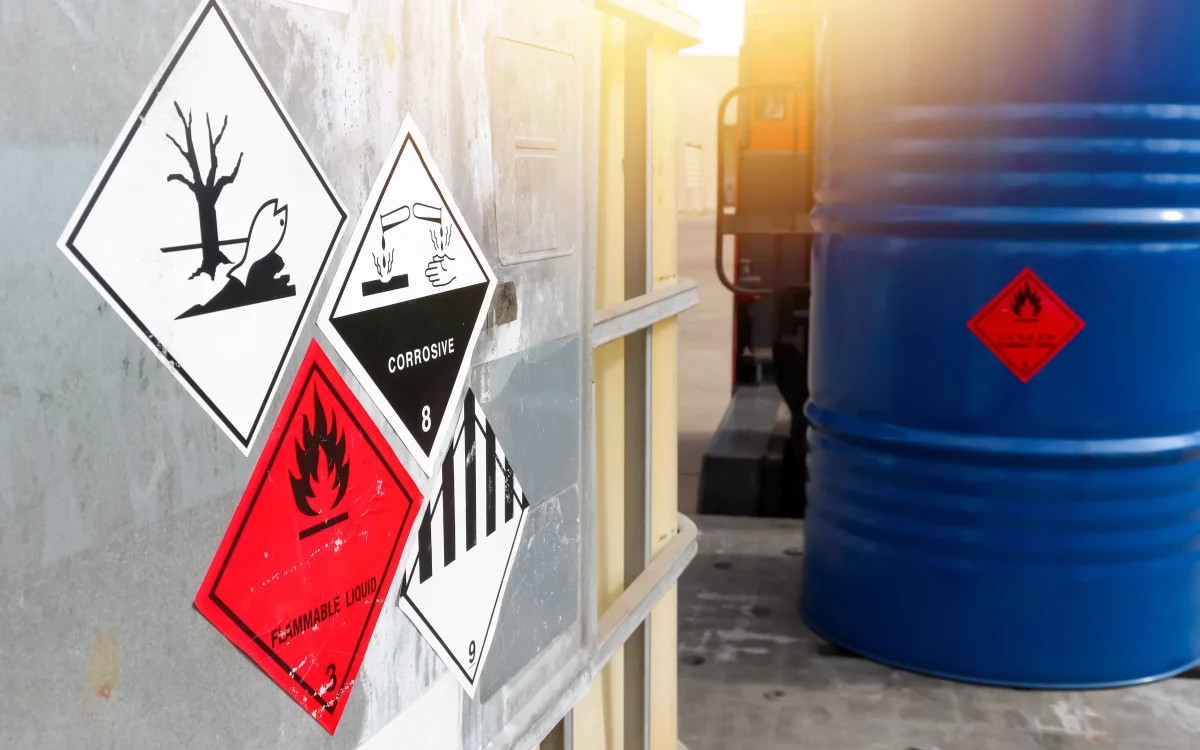
In an era of rapid industrial growth and complex manufacturing, the challenge of hazardous waste disposal has become one of the most critical environmental priorities for businesses and municipalities alike. Improper handling of toxic materials doesn’t just result in heavy legal penalties; it poses a direct threat to soil quality, groundwater safety, and public health.
Understanding the lifecycle of dangerous materials – from the moment they are generated to their final neutralization – is essential for any organization committed to sustainability and regulatory compliance.
What Defines Hazardous Waste?
Before diving into hazardous waste disposal Milwaukee, Wisconsin methods, it is vital to identify what actually constitutes “hazardous.” Generally, waste is classified as hazardous if it exhibits one or more of the following characteristics:
-
Ignitability: Substances that can easily catch fire, such as solvents or certain oils.
-
Corrosivity: Strong acids or bases capable of corroding metal containers or damaging living tissue.
-
Reactivity: Materials that are unstable under normal conditions and can cause explosions or toxic fumes when heated or mixed with water.
-
Toxicity: Substances that are harmful or fatal when ingested or absorbed, often containing heavy metals like mercury or lead.
The Stages of Professional Hazardous Waste Disposal
Effective hazardous waste disposal is not a single event but a multi-step process designed to minimize risk at every turn.
1. Identification and Characterization
The process begins with a thorough analysis of the waste stream. Professionals use laboratory testing to determine the chemical makeup of the waste, which dictates how it must be labeled and stored. Correct identification is the cornerstone of safe hazardous waste disposal Madison, Wisconsin.
2. On-site Storage and Containment
While awaiting transport, hazardous materials must be kept in specialized containers that prevent leaks and reactions. This includes secondary containment systems – like berms or pallets – to catch any accidental spills. Proper storage is a prerequisite for any successful hazardous waste disposal strategy.
3. Transportation and Manifesting
Moving hazardous materials requires specialized vehicles and highly trained drivers. A crucial part of this stage is the “Uniform Hazardous Waste Manifest,” a tracking document that follows the waste from the generator to the final disposal facility, ensuring a “cradle-to-grave” chain of custody throughout the hazardous waste disposal cycle.
4. Treatment and Neutralization
Before final hazardous waste disposal Indianapolis, Indiana many materials undergo treatment to reduce their toxicity. This can include chemical treatment, such as neutralizing acids with bases, or biological treatment, which uses microbes to break down organic hazardous compounds. Physical treatment, like solidification, is also used to prevent toxic chemicals from leaching into the environment after hazardous waste disposal.
Primary Methods of Disposal
Depending on the nature of the material, several specialized techniques are utilized for hazardous waste disposal.
Incineration is a common method involving high-temperature combustion that destroys organic constituents. It is frequently used for pharmaceutical waste, solvents, and pesticides.
For non-liquid hazardous solids, secure landfills are the standard. These are highly engineered units with double liners and leak detection systems designed specifically for long-term hazardous waste disposal Decatur, Illinois.
Another method is deep well injection, which involves pumping liquid waste into porous rock formations deep below the water table. Finally, recycling and recovery play a major role in modern hazardous waste disposal, allowing for the extraction of usable materials like silver or oils from the waste stream before they are discarded.
The Importance of Regulatory Compliance
The landscape of hazardous waste disposal Miami, Florida is governed by strict federal and local regulations. Non-compliance can lead to devastating environmental degradation, including long-term contamination of local ecosystems. Furthermore, businesses face massive legal liability, including heavy fines and potential criminal charges, if they fail to follow proper hazardous waste disposal protocols. Beyond the law, improper hazardous waste disposal causes significant reputational damage, leading to a loss of consumer trust and “green” certifications.
